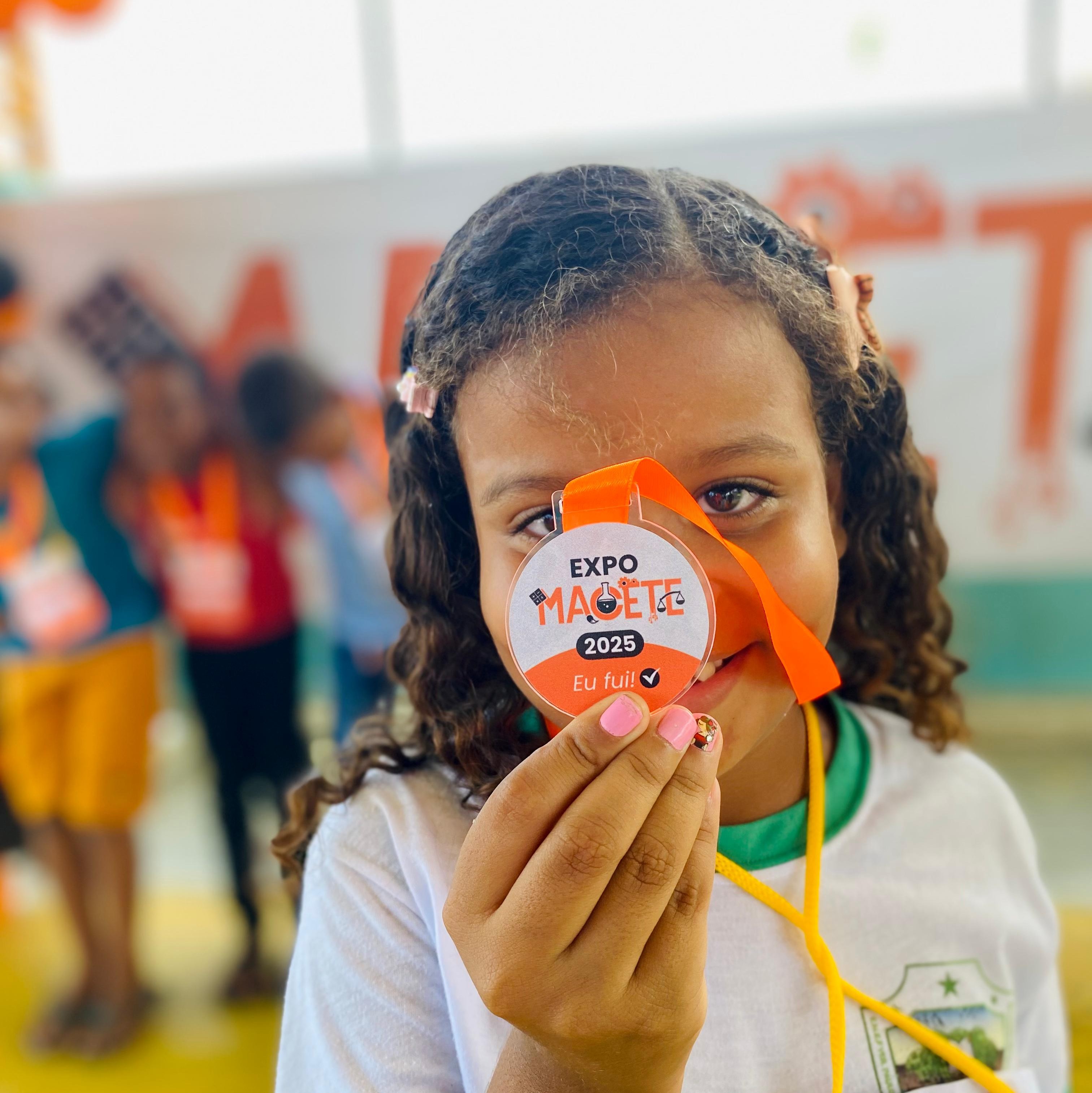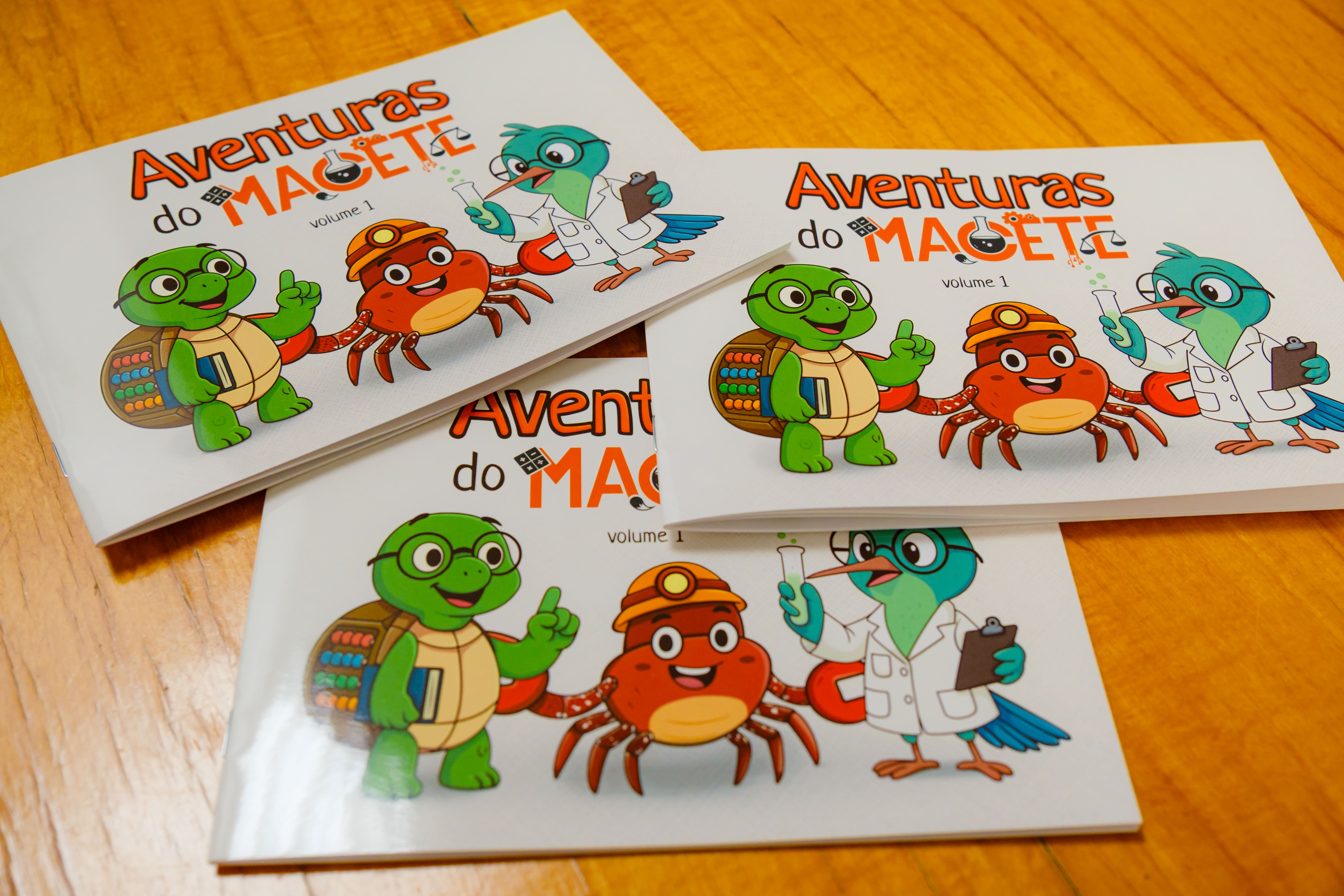

A metodologia do MACETE é ancorada em metodologias ativas, colocando o estudante como protagonista de um processo intencional, investigativo e colaborativo — com ênfase em aprender fazendo, conexão com o contexto e avaliação formativa contínua. Seu eixo estruturante é a Aprendizagem Baseada em Desafios (ABD), em que a aprendizagem nasce de um desafio real, claro e relevante; os estudantes investigam o problema, tomam decisões informadas, registram evidências e propõem soluções viáveis, avançando pelas fases Envolver, Investigar e Agir (cada uma preparando a seguinte). A progressão é orientada pelos Eixos Evolutivos, do “Eu” ao “Mundo”, que articulam ABD, contextualização territorial e tecnologias sociais, garantindo sentido, pertencimento e protagonismo estudantil. Além da sala de aula, a ABD conecta escola, famílias e comunidade, ampliando o espaço de criação e resolução de desafios do mundo real.

Pilares Fundamentais
Três Pilares das Metodologias Ativas
Os fundamentos que sustentam toda nossa proposta pedagógica transformadora

O estudante é o centro do processo de aprendizagem, conduzindo seu próprio desenvolvimento através de investigação e colaboração intencional.

A prática e experimentação constante como motor do conhecimento, conectando teoria com aplicações reais e contextualizadas.

Acompanhamento contínuo e personalizado do desenvolvimento, fornecendo feedback constante para evolução sustentável.
Eixo Estruturante
Um processo estruturado em três fases que prepara o estudante para enfrentar desafios reais e propor soluções viáveis

Identificar e conectar emocionalmente com o desafio real. O estudante desenvolve interesse genuíno pelo problema a ser resolvido.
✔ Identificar desafios relevantes
✔ Criar conexão emocional
✔ Despertar curiosidade
✔ Coletar e analisar dados
✔ Desenvolver pensamento crítico
✔ Registrar evidências

Pesquisar profundamente, analisar informações e tomar decisões fundamentadas. Registro sistemático de evidências e descobertas.

Propor soluções criativas e viáveis para os desafios identificados. Implementação prática das ideias desenvolvidas ao longo do processo.
✔ Desenvolver soluções criativas
✔ Aplicar conhecimentos
✔ Gerar impacto real
Progressão do "Eu" ao "Mundo" — articulando ABD, contextualização territorial e tecnologias sociais

Desenvolvimento da identidade pessoal, reconhecimento de potencialidades e construção de valores individuais.
Desenvolvimento da empatia, respeito às diferenças, cooperação e construção ética das relações.

Valorização dos espaços afetivos, saberes familiares e cultura local como base do pertencimento e da memória.

Exploração investigativa do ambiente, saberes do território, cuidado com a natureza e práticas sustentáveis.

Compreensão da vida social, valorização das profissões e práticas culturais, participação e responsabilidade compartilhada.

Compreensão do impacto global, responsabilidade social e capacidade de transformação sustentável.